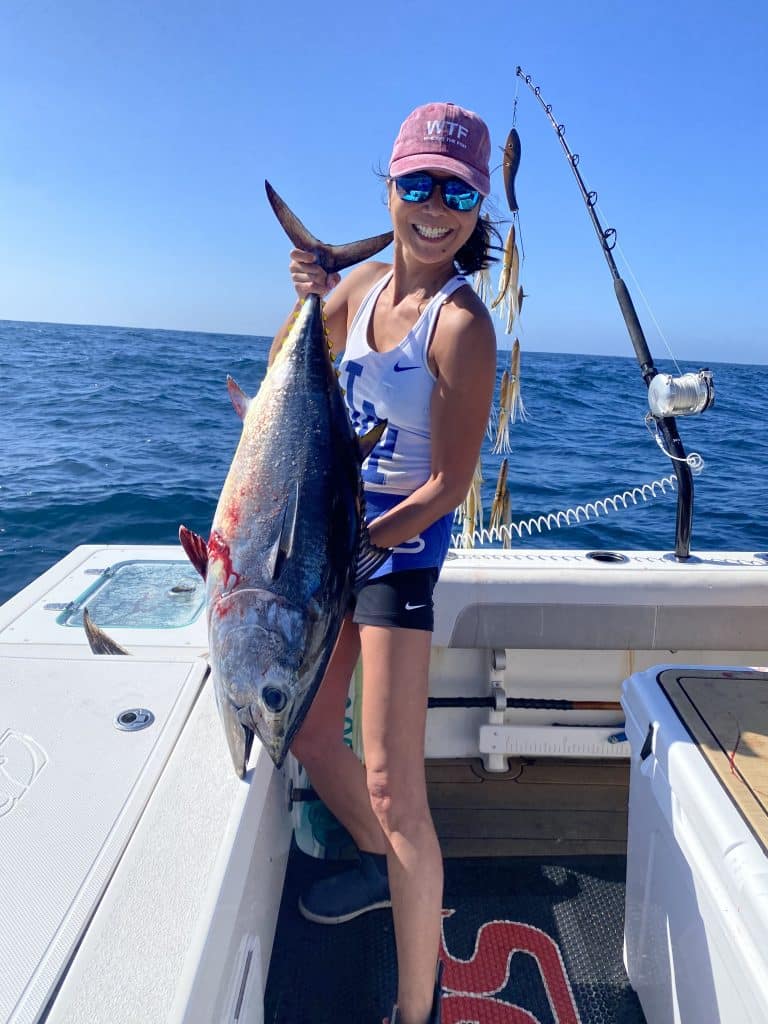
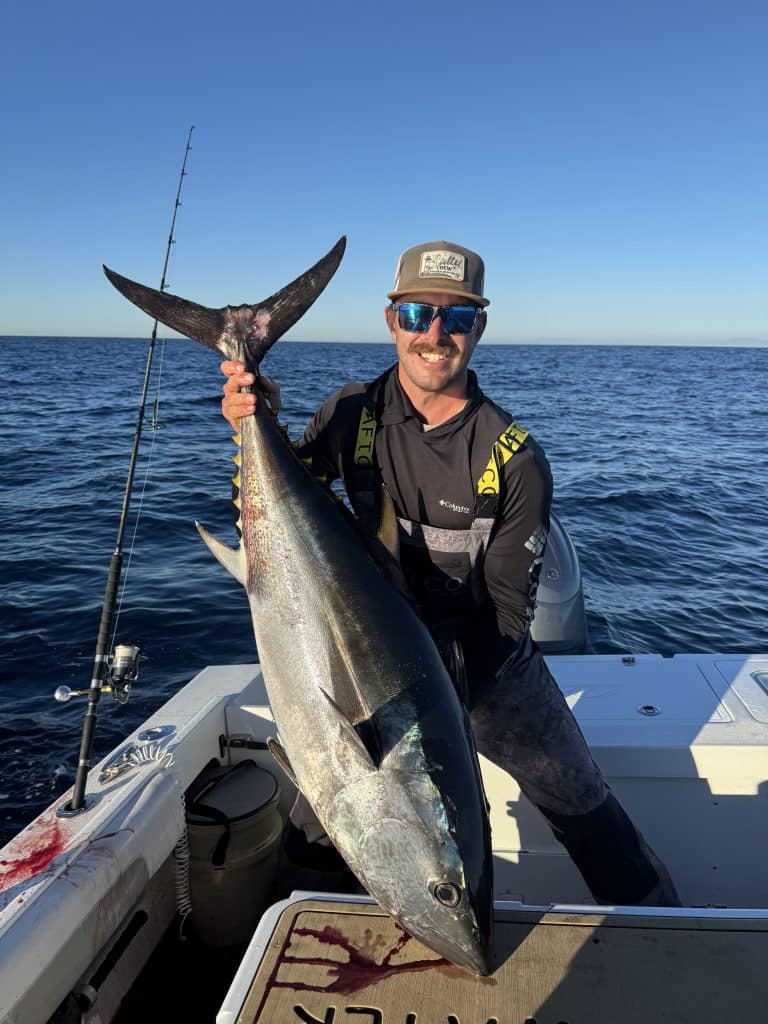
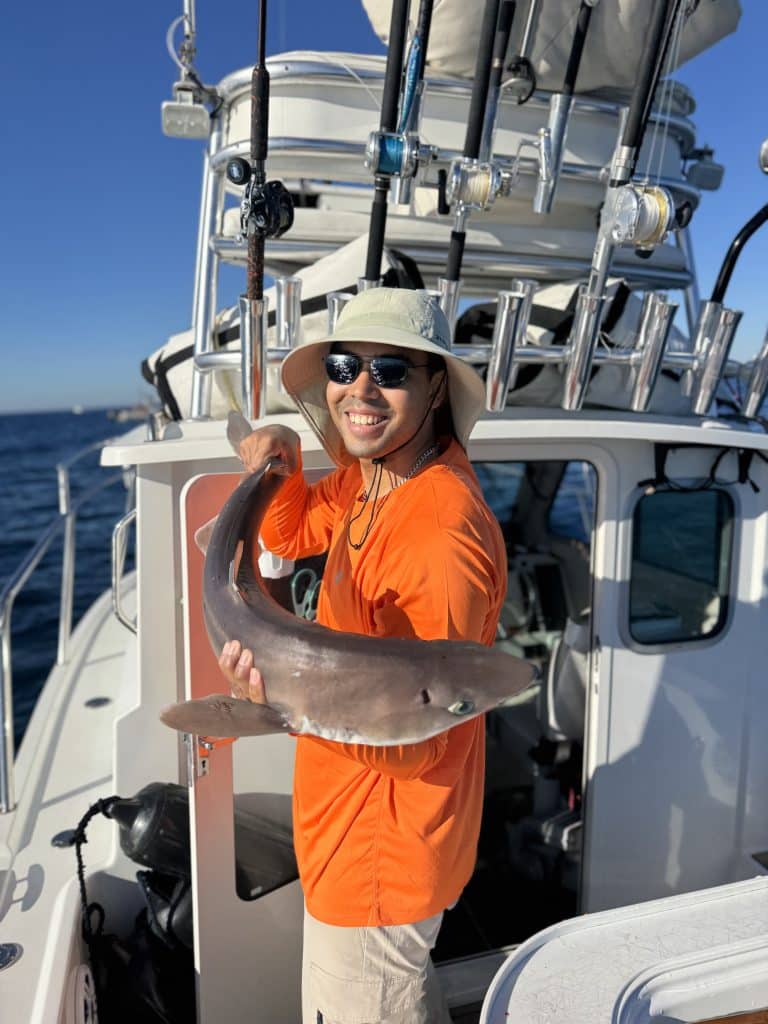
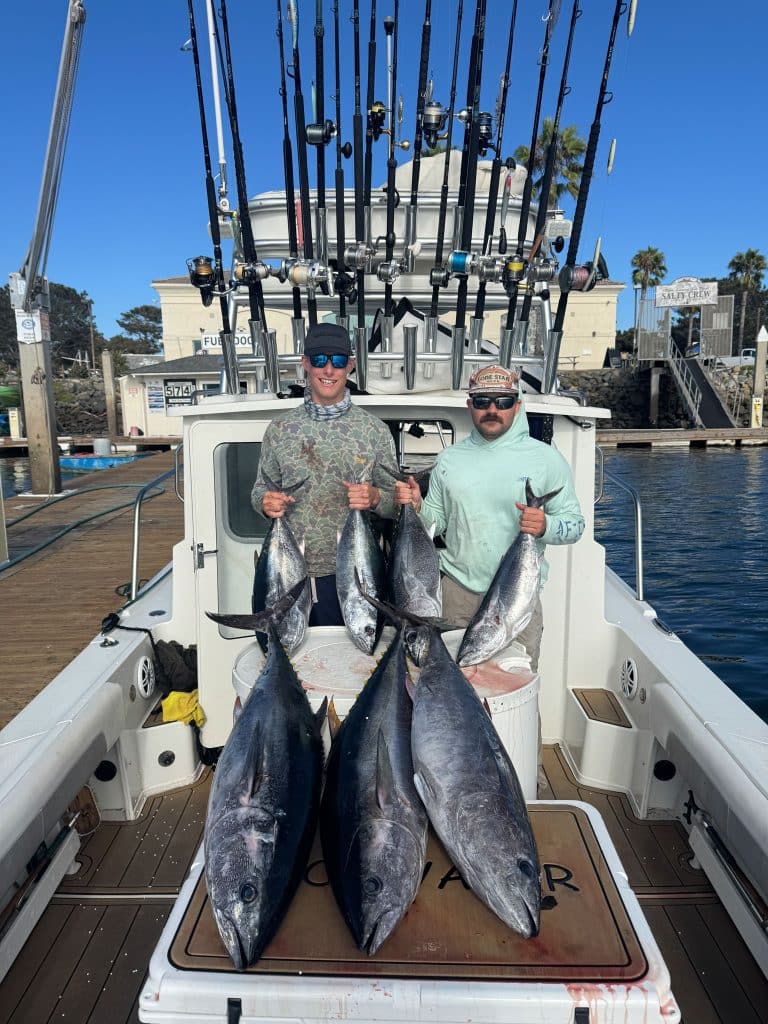
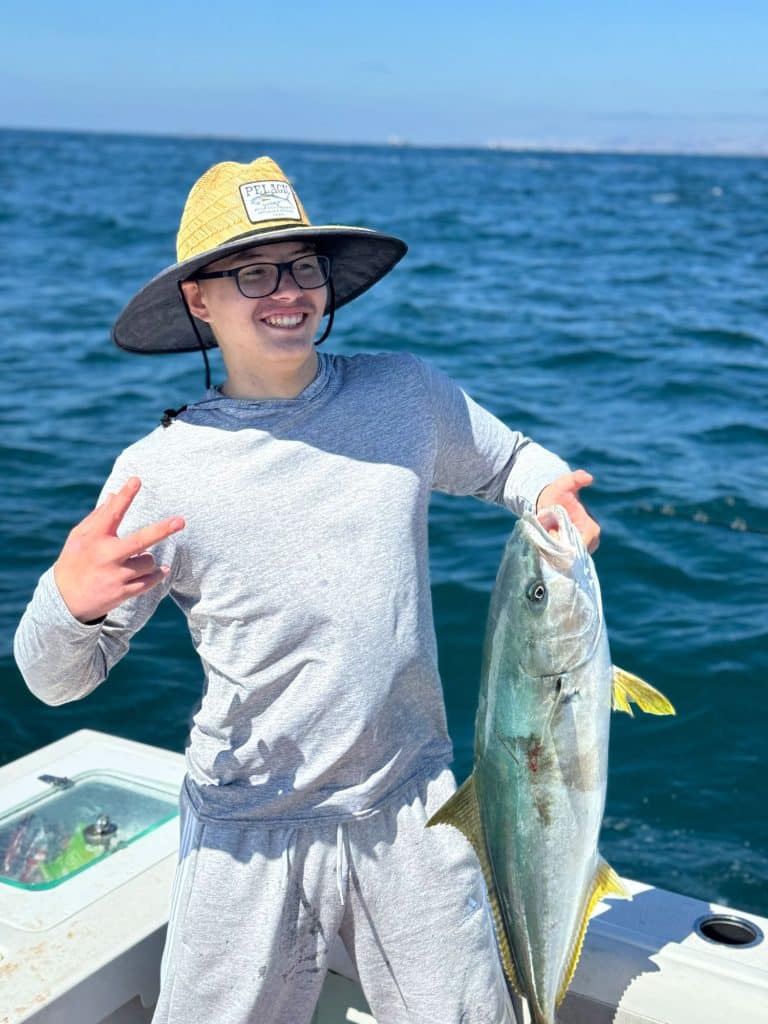
Stepping onto a fishing boat for the first time can feel like entering uncharted waters—literally and figuratively. You might be wondering if you’ll know which end of the rod to hold, whether you’ll spend more time tangled in fishing line than actually fishing, or if you’ll be the only person on board who doesn’t catch anything. Here’s the truth: everyone who’s ever cast a line started exactly where you are now, and San Diego happens to be one of the best places in the world to begin your fishing journey.
The beauty of beginner fishing charters in San Diego is that they’re specifically designed to turn nervous first-timers into confident anglers. With year-round fishing opportunities, calm inshore waters perfect for learning, and experienced captains who genuinely enjoy teaching, your first charter doesn’t have to be intimidating—it should be the start of something amazing. Whether you’re looking to try a new hobby, create family memories, or simply enjoy a day on the water, this guide will help you prepare for an unforgettable first fishing experience.
Choosing the Right Charter: Setting Yourself Up for Success
Not all fishing charters are created equal, especially when you’re just starting out. The difference between a frustrating first experience and one that hooks you for life often comes down to selecting the right type of trip and the right crew.
Understanding Your Charter Options
When researching beginner fishing charters in San Diego, you’ll encounter three main types: party boats (also called open party or cattle boats), six-pack charters, and private charters. Party boats accommodate dozens of anglers and offer the most affordable option, typically ranging from $50-$100 for a half-day trip. While budget-friendly, these larger vessels can feel overwhelming for first-timers, with less personalized instruction and more competition for rail space.
Six-pack charters—named for the six-passenger Coast Guard limit for non-inspected vessels—hit the sweet spot for many beginners. With a smaller group, you’ll receive more one-on-one attention from the crew, and the atmosphere tends to be more relaxed and educational. Private charters offer the ultimate personalized experience but come at a premium price point, making them ideal for families or small groups who want the captain’s undivided attention.
What “Beginner-Friendly” Really Means
A truly beginner-friendly charter goes beyond simply allowing inexperienced anglers on board. Look for operations that emphasize hands-on instruction, where crew members actively teach techniques rather than just rigging your gear and walking away. The best beginner fishing charters in San Diego feature patient captains who understand that your first fish is more valuable than your fiftieth, and who celebrate your successes as much as you do.
When calling charter companies, ask specific questions: What’s the crew-to-passenger ratio? Do they provide instruction on casting, hook-setting, and reeling techniques? What’s their typical success rate for first-time anglers? A quality operation won’t just tolerate your questions—they’ll welcome them.
Location Matters: Bay and Inshore vs. Offshore
San Diego’s fishing zones range from the protected waters of Mission Bay to offshore grounds 20+ miles from shore. For your first charter, stick with bay or inshore trips. These calmer waters reduce the likelihood of seasickness while offering excellent opportunities to catch species like calico bass, sand bass, and various rockfish. The shorter travel time means more actual fishing, and the gentler seas make it easier to focus on learning techniques rather than fighting motion sickness.
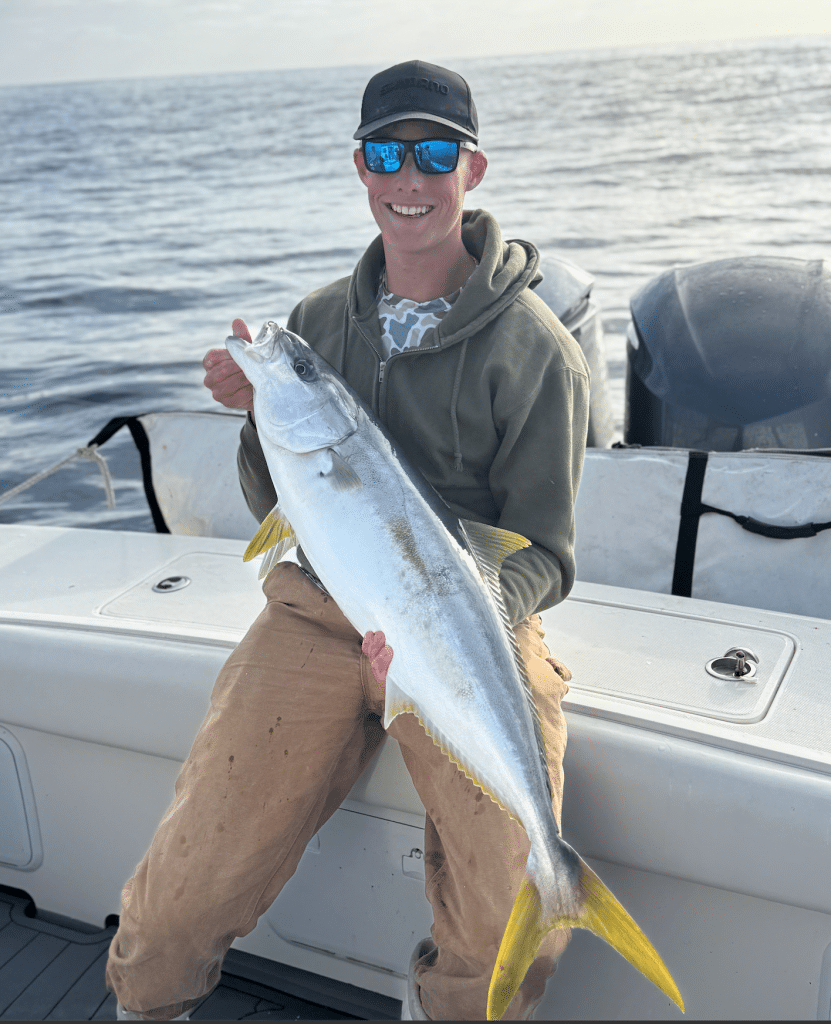
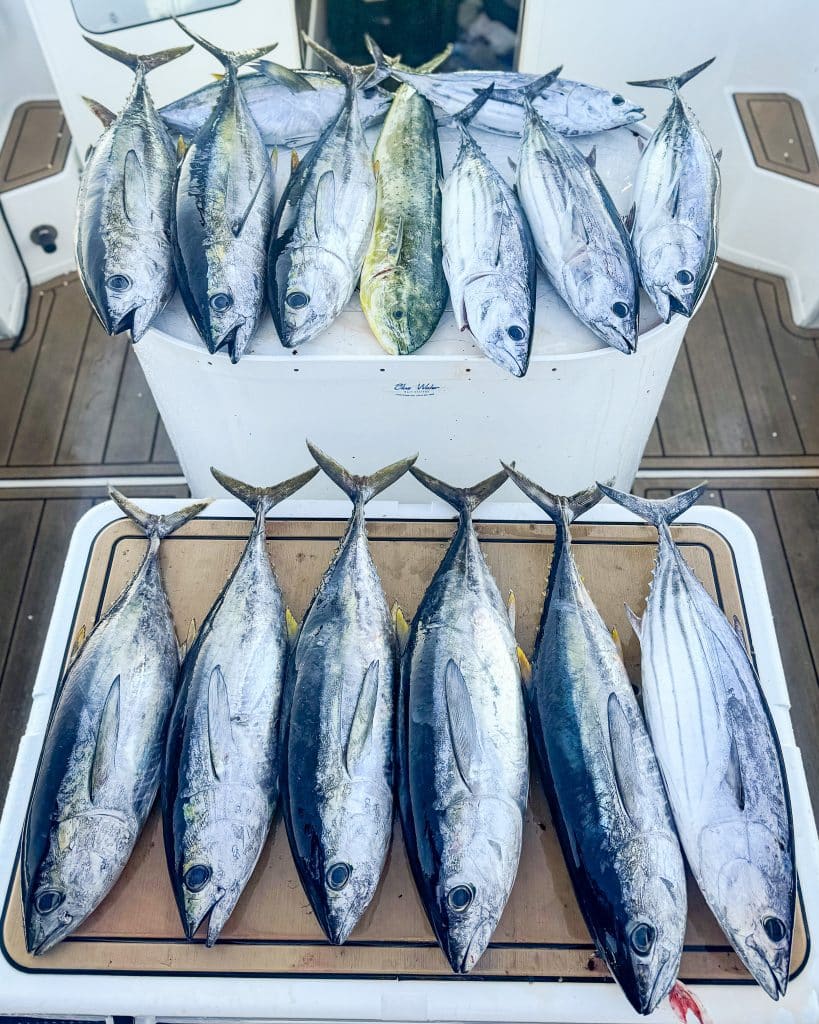
Save the offshore adventures—targeting yellowtail, tuna, and dorado—for after you’ve developed your sea legs and basic fishing skills. While those trips can be incredibly rewarding, the longer runs, bigger seas, and more advanced techniques can overwhelm first-timers.
Essential Preparations: What You Need to Know Before You Go
Proper preparation can make the difference between a good first charter and a great one. Here’s what you need to handle before you step aboard.
Licensing and Legal Requirements
California requires anyone 16 years or older to have a valid fishing license to fish in ocean waters. The good news? Many beginner fishing charters in San Diego operate under a “sport fishing license” that covers all passengers, so you won’t need to purchase your own. However, always confirm this when booking—the last thing you want is a citation from Fish and Wildlife officers who occasionally check boats.
If you do need a license, they’re available online through the California Department of Fish and Wildlife website or at most tackle shops. A one-day license costs around $17, while an annual license runs about $52—a worthwhile investment if you plan to fish more than a few times per year.
What to Bring (and What to Leave Home)
Your charter will provide rods, reels, tackle, and bait, but you’re responsible for personal items. Sun protection is absolutely critical—even on overcast days, the sun’s reflection off the water can cause serious burns. Bring sunscreen (reef-safe formulas are appreciated), a wide-brimmed hat, polarized sunglasses, and long-sleeved UV-protective clothing.
Motion sickness catches many first-timers by surprise. Even if you’ve never experienced it on land, the ocean’s movement can affect anyone. Take preventative medication (Dramamine or Bonine) the night before and again the morning of your trip—waiting until you feel queasy is too late. Natural remedies like ginger candies or acupressure wristbands work for some people. Avoid heavy, greasy breakfasts; instead, opt for light, bland foods like toast or crackers.
Wear soft-soled, closed-toe shoes with good grip—boat decks get wet and slippery. Avoid brand-new white sneakers unless you don’t mind them getting fish-scented and possibly stained. Layers are your friend, as mornings on the water can be surprisingly chilly even in San Diego’s mild climate.
Mental Preparation and Realistic Expectations
Here’s a secret that experienced anglers know: fishing isn’t always about catching fish. Your first charter is primarily about learning, experiencing the ocean environment, and discovering whether this hobby resonates with you. Some days, the fish bite aggressively and everyone limits out. Other days, you work hard for every catch. Weather, water conditions, tides, and countless other factors affect fishing success—many of them beyond anyone’s control.
Set your goal as “learn something new and enjoy the experience” rather than “catch the most or biggest fish.” This mindset shift eliminates the pressure and allows you to appreciate the journey. That said, San Diego’s productive waters mean that most beginner charters result in bent rods and fish in the cooler, especially during peak seasons.
Basic Knowledge Worth Having
While your crew will teach you everything you need to know, learning one or two basics beforehand can boost your confidence. The improved clinch knot—used to tie fishing line to hooks or lures—is simple enough to practice at home with a piece of string and a paperclip. YouTube offers countless tutorials, and being able to tie your own knots means less downtime waiting for crew assistance.
Understanding the concept of “feeling a bite” helps too. Fish don’t always strike dramatically—sometimes a bite feels like a gentle tap-tap-tap or increased weight on your line. Recognizing these subtle signals comes with experience, but knowing to watch for them helps you pay attention to the right sensations.
On the Water: Your First Charter Experience
The big day has arrived. Here’s what typically happens during your beginner fishing charter in San Diego adventure.
Departure and Safety Briefing
Arrive at least 15-20 minutes before your scheduled departure time. This buffer allows for parking, finding the right boat, stowing your gear, and using restroom facilities (always go before departing—boat heads are functional but small). Your captain will conduct a safety briefing covering life jacket locations, emergency procedures, and basic boat rules. Pay attention—this information matters.
As the boat leaves the harbor, take in the views. San Diego’s coastline is stunning, and the departure through the harbor or bay offers glimpses of sea lions, pelicans, and occasionally dolphins. This is also when you’ll feel the boat’s motion most noticeably. Stay on deck in fresh air if you’re prone to seasickness; going below deck often makes it worse.
Your First Setup and Cast
Once you reach the fishing grounds, the crew springs into action. They’ll hand you a rigged rod, show you how to hold it, and explain the basic technique for your specific type of fishing. This might be dropping a baited hook to the bottom for rockfish, casting to kelp beds for bass, or slow-trolling for bonito. Each technique has its own feel and approach.
Don’t be embarrassed to ask questions or request demonstrations. “Can you show me one more time?” is one of the most valuable phrases in a beginner’s vocabulary. Professional crews have seen thousands of first-timers, and nothing you ask will surprise them.
The Magic Moment: Your First Fish
When you feel that first bite, your heart rate will spike. The crew will coach you through setting the hook (a quick upward motion of the rod) and beginning your fight. Keep the rod tip up, reel when you can, and let the rod do the work—you don’t need to muscle the fish. The crew will guide you through every step, from maintaining tension on the line to bringing the fish alongside the boat.
That first fish—whether it’s a half-pound calico bass or a five-pound rockfish—represents a genuine accomplishment. The crew will help you handle it safely (keeping fish wet protects their slime coating), remove the hook, and decide whether to keep it or release it. If you’re keeping it, they’ll add it to the boat’s fish box. If releasing, they’ll show you proper technique to maximize the fish’s survival.
Boat Etiquette and Common Challenges
Fishing from a boat requires spatial awareness. Be mindful of other anglers’ lines, especially when reeling in a fish—crossing lines creates tangles that frustrate everyone. If your line crosses someone else’s, communicate clearly: “I’m over you” or “You’re under me” helps sort out the tangle quickly.
Tangles, missed bites, and lost fish happen to everyone, including experts. Don’t let these minor setbacks discourage you. Each mistake teaches you something. That tangle shows you the importance of watching your line; that missed bite helps you recognize the sensation for next time; that lost fish reminds you to keep tension on the line.
If you experience seasickness despite preventative measures, tell the crew immediately. They’ve dealt with it countless times and can position you where the motion is less pronounced, offer remedies, or adjust the boat’s position if possible. There’s no shame in it—seasickness affects people of all experience levels.
Making Memories
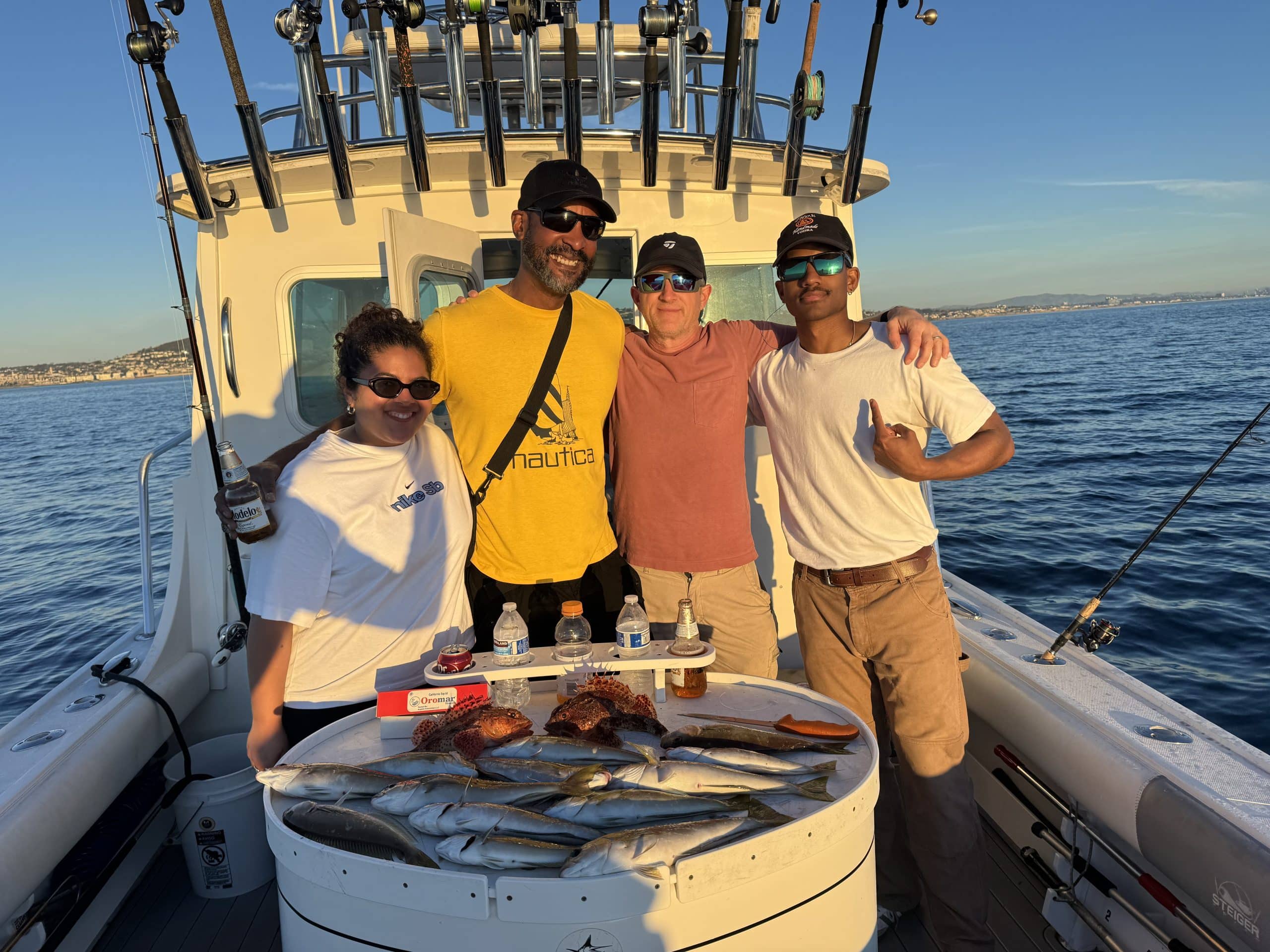
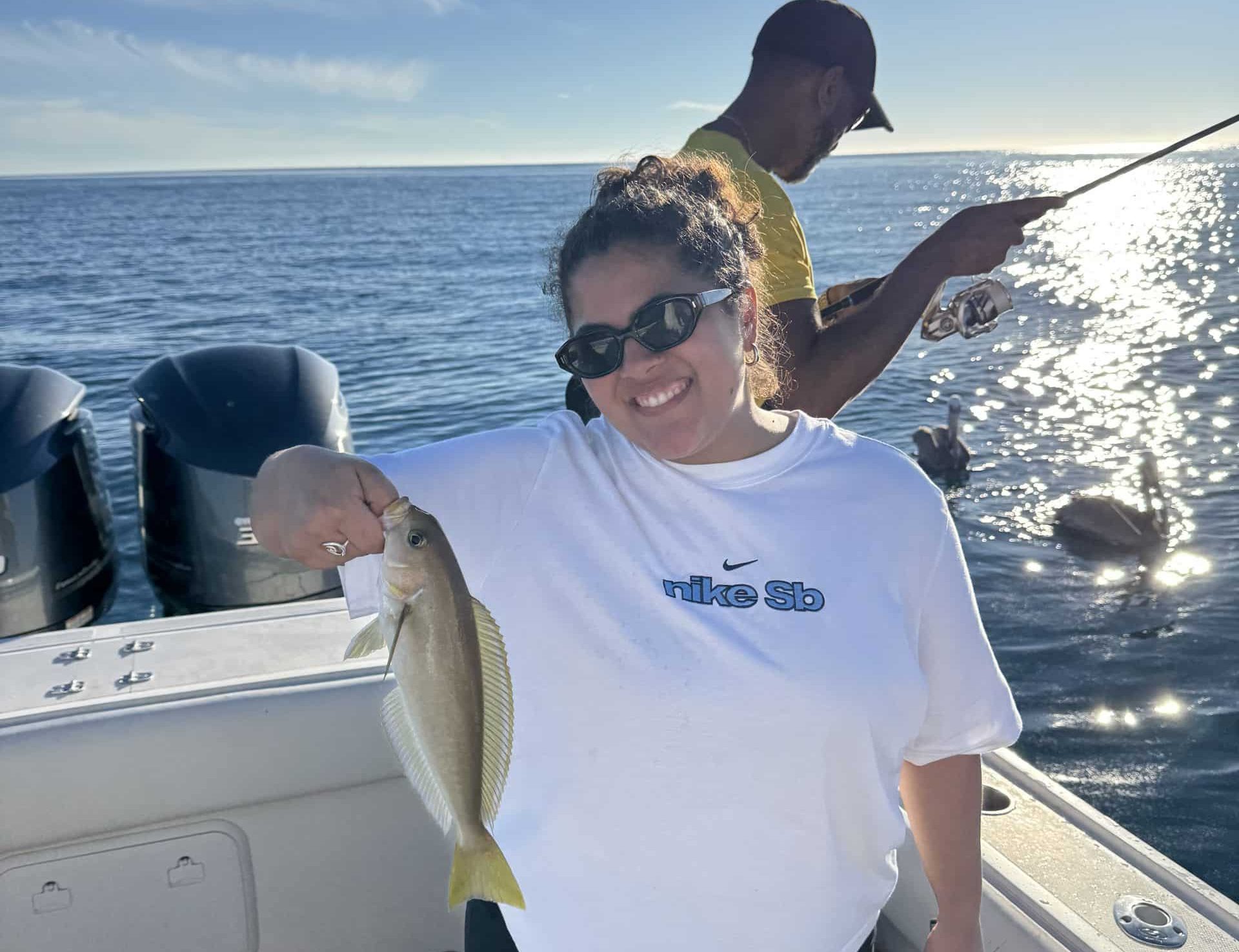
Don’t forget to document your experience. Most crews are happy to take photos of you with your catches, and many boats have dedicated photo spots with the boat’s name visible. These pictures become treasured memories and proof of your accomplishment. Just be mindful of timing—ask during lulls in the action rather than when fish are biting aggressively.
Building on Your First Experience: What Comes Next
Your first charter is just the beginning. Here’s how to build on that initial experience and continue developing as an angler.
Reflecting on What You Enjoyed
After your trip, think about what aspects you enjoyed most. Did you love the thrill of the fight? The peaceful moments between bites? The camaraderie with other anglers? The satisfaction of learning new skills? Identifying what resonated helps you choose future trips that align with your interests.
Some anglers discover they prefer the technical challenge of sight-fishing for bass in kelp beds. Others love the excitement of offshore fishing for larger, faster species. Still others find joy in the relaxed pace of bay fishing. There’s no right answer—just your personal preference.
Continuing Your Education
San Diego offers numerous opportunities to build your skills between charters. Shore fishing from piers, jetties, and beaches provides free practice with your own gear. Popular spots like Ocean Beach Pier, Shelter Island, and the La Jolla coastline offer decent fishing and the chance to apply techniques learned on your charter.
Consider joining local fishing forums or social media groups where San Diego anglers share reports, tips, and advice. The community is generally welcoming to beginners who show genuine interest and respect for the resource. Conservation groups like the Coastal Conservation Association also offer educational programs and family-friendly events.
When to Invest in Your Own Gear
After a few charters, you might consider purchasing your own equipment. Start with a versatile medium-action spinning rod and reel combo suitable for San Diego’s inshore fishing—tackle shops can recommend appropriate setups in the $100-$200 range. This investment makes sense once you’re confident you’ll fish regularly and want the familiarity of using the same gear each time.
However, don’t feel pressured to buy gear immediately. Many successful anglers fish for years using charter-provided equipment, and there’s wisdom in developing your skills and preferences before making significant purchases.
Exploring San Diego’s Seasonal Opportunities
San Diego’s fishing changes throughout the year, offering different species and experiences each season. Spring brings calico bass spawning activity and increased inshore action. Summer sees warm-water species like yellowtail, dorado, and tuna moving into range. Fall often provides the year’s best overall fishing as multiple species overlap. Winter focuses on rockfish, lingcod, and bass, with fewer crowds and often calmer seas.
Understanding these patterns helps you plan future trips around target species and optimal conditions. Your charter captain can explain seasonal variations and recommend the best times to pursue specific fish.
Start Your San Diego Fishing Journey Today
Your first fishing charter represents more than just a day on the water—it’s a gateway to a hobby that can provide a lifetime of enjoyment, challenge, and connection with the ocean. San Diego’s world-class fishing grounds, combined with experienced charter operations dedicated to teaching beginners, create the perfect environment for your introduction to this timeless pursuit.
At Coast To Coast Sport Fishing, we’ve built our reputation on transforming nervous first-timers into confident anglers who can’t wait to book their next trip. We understand that beginner fishing charters in San Diego require more than just pointing someone toward the ocean with a fishing rod—they demand patience, expert instruction, and a genuine commitment to creating positive experiences that inspire people to return.
Whether you’re seeking a new hobby, planning a unique family outing, or simply curious about what happens beyond the harbor, that first charter is waiting. The fish are there, the boats are ready, and the captains who’ll guide you have taught thousands of beginners exactly like you. All that’s missing is you, standing on the deck with a rod in hand, feeling that first unmistakable tug on your line, and realizing that you’ve just discovered something special.
Don’t let uncertainty keep you on shore. The best time to start fishing was twenty years ago. The second-best time is right now. Book your first beginner fishing charter in San Diego, and discover why generations of anglers have found joy, peace, and excitement on these beautiful waters.
References
- U.S. Fish & Wildlife Service – “A Guide to Fishing for the First Time” – https://www.fws.gov/story/guide-fishing-first-time
- Take Me Fishing – “Everything You Need to Start Fishing” – https://www.takemefishing.org/how-to-fish/fishing-resources/everything-you-need-to-start-fishing/
- Crazy Sister Marina – “5 Tips for First-Time Anglers” – https://crazysistermarina.com/blog/5-tips-for-first-time-anglers/
- Fishing Booker – “Beginner Fishing Setup Guide” – https://fishingbooker.com/blog/beginner-fishing-setup/