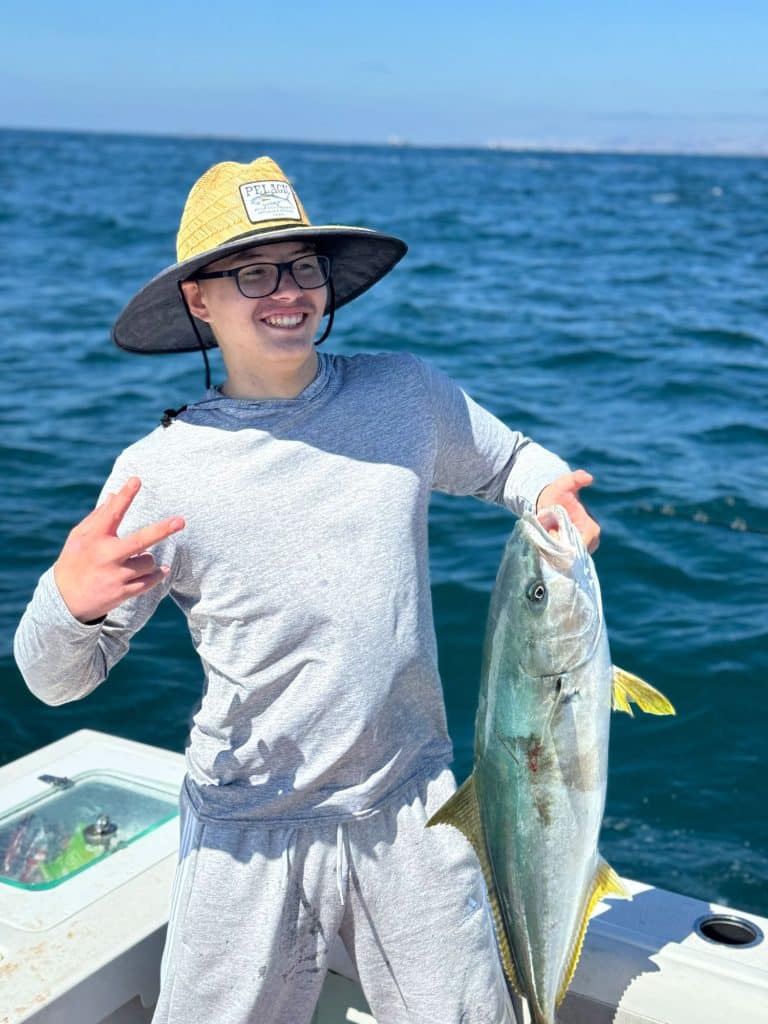
Whether you’re embarking on your first San Diego fishing charter or you’re a veteran angler planning an extended offshore adventure, proper preparation makes all the difference between an unforgettable experience and an uncomfortable day on the water. San Diego’s fishing opportunities range from relaxing half-day bay excursions to challenging multi-day trips into Mexican waters, and each requires thoughtful packing.
The Pacific Ocean’s conditions can change dramatically throughout the day. Morning fog often gives way to intense afternoon sun, calm waters can turn choppy without warning, and temperatures drop significantly as you venture farther offshore. At Coast To Coast Sport Fishing, we’ve watched countless anglers arrive unprepared for these shifting conditions, spending their trip battling sunburn, seasickness, or cold temperatures when they should be focused on landing trophy fish.
This comprehensive fishing trip packing list will ensure you’re ready for whatever San Diego’s waters present, allowing you to concentrate on what truly matters: the thrill of the catch.
Essential Fishing Gear and Tackle
Before you start loading your tackle box, contact your charter to confirm what equipment they provide. Most San Diego charters, including Coast To Coast Sport Fishing, supply quality rods, reels, and basic tackle. However, serious anglers often prefer bringing their own trusted gear.
Your Tackle Box Essentials
A well-organized tackle box should include extra line in the 20-60 lb test range (depending on your target species), fluorocarbon leaders for finicky fish, and a variety of hooks. Circle hooks work best for live bait fishing, while J-hooks excel with artificial lures. Don’t forget sinkers in various weights and quality swivels—these small items often make the difference between success and frustration.
San Diego-Specific Lures
San Diego waters have their favorites when it comes to artificial lures. Surface iron in blue and white patterns consistently produces yellowtail and tuna. Swimbaits are deadly for calico bass and halibut lurking in the kelp beds. Yo-yo jigs in blue/silver or green/yellow color schemes should definitely earn a spot on your fishing trip packing list, especially for vertical jigging opportunities.
Critical Tools and Backup Supplies
Pack needle-nose pliers with built-in cutters, a quality fishing knife or multi-tool, and a lip gripper or Boga Grip for safely landing fish. A headlamp with red light mode proves invaluable for early morning departures or night fishing sessions. Include backup terminal tackle, line clippers attached to your vest for quick access, and if you’re bringing electronics like personal fish finders or GPS units, store them in waterproof bags.
Sun Protection and Weather-Appropriate Clothing
San Diego’s microclimates demand a layering strategy. What feels comfortable at the dock at 5 AM will feel drastically different by noon, and conditions change even more dramatically as you move from inshore to offshore waters.
The Layering System
Start with moisture-wicking base layers that pull sweat away from your skin. Add a long-sleeve fishing shirt—preferably UPF-rated for sun protection. Top this with a waterproof windbreaker or rain jacket to protect against spray and wind. This system allows you to adjust throughout the day as conditions change.
Comprehensive Sun Protection
The sun’s reflection off the water intensifies UV exposure significantly. Your fishing trip packing list must include broad-spectrum SPF 50+ sunscreen. Reef-safe formulas demonstrate environmental responsibility while protecting your skin. Apply zinc-based protection to your face, don’t forget SPF 30+ lip balm, and consider a sun mask or neck gaiter for all-day coverage on exposed areas.
The Right Headwear Makes a Difference
Choose a wide-brimmed hat with a chin strap—San Diego’s offshore winds can easily send an unsecured hat into the Pacific. Polarized sunglasses with UV protection are non-negotiable, and amber or copper lenses work best for spotting fish in varying light conditions. Attach a retainer strap to your sunglasses; replacing them mid-trip is impossible.
Trip-Specific Weather Considerations
Inshore bay trips rarely require heavy layers, but offshore and overnight trips demand warm fleece or insulated jackets. Early mornings and evenings can see temperature drops of 20+ degrees. Always pack extras of critical items: a second pair of sunglasses, a backup hat, additional sunscreen (you’ll use more than expected with constant reapplication), and a complete dry change of clothes in a waterproof bag for multi-day trips.
Footwear, Safety, and Personal Essentials
Proper Footwear Prevents Problems
Wet boat decks become incredibly slippery. Wear closed-toe, non-marking boat shoes with excellent grip or soft-soled deck boots for stability. This isn’t the place for fashion statements—function rules on fishing charters. For overnight trips, pack a dry backup pair. Spending 24+ hours in wet shoes leads to painful blisters that will ruin your experience.
Seasickness Prevention
Even if you’ve never experienced motion sickness, include prevention measures on your fishing trip packing list. Take Bonine or Dramamine the night before and morning of your departure. Pack ginger candies or Sea-Bands as natural alternatives. Stay hydrated and eat light, bland foods before and during your trip. Prevention is far more effective than treatment once symptoms start.
Personal First Aid and Medications
While charter boats carry first aid supplies, bring your own kit with bandages for hook injuries, antibiotic ointment, pain relievers, and all prescription medications—plus extras. If you have allergies requiring an EpiPen or other emergency medications, keep them easily accessible.
Hydration and Nutrition Strategy
Bring a reusable water bottle and plan to drink at least one gallon per person on full-day trips in San Diego’s sun. Pack electrolyte packets to maintain hydration efficiency. Protein-rich snacks like jerky or trail mix provide sustained energy, and easy-to-eat sandwiches that won’t spoil work well for meals. Avoid anything requiring refrigeration or messy preparation.
Practical Personal Items
Round out your fishing trip packing list with a quick-dry towel, waterproof phone case or dry bag, and a portable power bank (boat outlets are limited). Bring cash for crew tips—15-20% of the trip cost is standard—plus extra for fish processing fees. If you’re capturing memories, a camera with waterproof housing protects your equipment from saltwater spray.
Documentation and Trip-Specific Requirements
Fishing Licenses and Legal Requirements
California law requires a fishing license for all anglers 16 and older, along with an ocean enhancement validation for certain species. Purchase these online or at local tackle shops before your trip. Digital licenses on your phone are acceptable, but screenshot them in case you lose connectivity on the water.
International Trip Documentation
Trips crossing into Mexican waters—even day trips to Baja—legally require a passport or passport card. Mexican fishing licenses are often arranged through your charter, but confirm this in advance. Store all documents in waterproof pouches to prevent damage from spray or accidental submersion.
Understanding Regulations
Familiarize yourself with current bag limits and size restrictions for your target species, as San Diego regulations change seasonally. Some fish, like bluefin tuna, require special reporting. Know the locations of marine protected areas where fishing is prohibited to avoid violations.
Duration-Based Packing
Your fishing trip packing list varies significantly based on trip length. Half-day trips (4-6 hours) need minimal gear beyond basics. Full-day trips (8-12 hours) require substantial sun protection and food. Overnight trips (24-36 hours) demand bedding (sleeping bag or sheets and pillow), toiletries, and multiple clothing changes.
Fish Care and Processing
If you’re keeping your catch, bring a quality cooler with ice for transport. Most charters provide fish bags. Set aside tip money for the crew who will fillet and package your fish—typically $5-10 per fish depending on size and complexity. Some anglers prefer using the landing’s fish processing and shipping services, especially when traveling from out of town.
Common Packing Mistakes to Avoid
The Overpacking Problem
Boat storage is extremely limited, particularly on overnight trips where you’ll share bunk space with other anglers. One small soft-sided duffel or backpack should contain everything you need. Hard-sided luggage won’t fit in storage areas and creates unnecessary obstacles on deck.
Items to Leave Behind
Skip excessive electronics that can suffer saltwater damage, glass containers that can shatter on deck, and any items you’d be devastated to lose overboard. Leave expensive jewelry and unnecessary valuables at home or locked in your vehicle. Fishing trips prioritize function over fashion.
Scent Considerations
Avoid heavily perfumed lotions, colognes, or scented soaps. These strong scents can allegedly spook fish and will definitely irritate other anglers in the close quarters of overnight trips. Choose unscented alternatives for your fishing trip packing list.
Fabric Choices Matter
Cotton clothing stays wet and cold—a miserable combination on the water. Stick to synthetic or wool materials that dry quickly and maintain warmth when damp in San Diego’s marine environment.
Your Pre-Trip Preparation Strategy
Charter Confirmation
Contact your charter 48 hours before departure to confirm what gear they provide, what’s available for purchase onboard (snacks, drinks, bait), departure time and location (San Diego has multiple landing options), and the weather forecast. This conversation might reveal items you need to add to your fishing trip packing list.
Night-Before Preparation
Charge all electronics, freeze water bottles to serve as ice packs that become drinking water, and pre-tie leaders and rigs at home rather than on a rocking boat. Organize tackle by the species you’re targeting for quick access when fish are biting.
Health Preparation
Get adequate sleep—early departures often start at 4-5 AM. Eat a light breakfast, avoid alcohol the night before (dehydration increases seasickness), and start motion sickness medication on the recommended schedule for maximum effectiveness.
Post-Trip Planning
Decide if you want the crew to fillet your catch (tip accordingly), and ensure you have coolers ready in your vehicle. If you’re traveling from out of town, arrange for the landing’s fish processing services and shipping in advance.
Ready Your Gear, Reel in the Memories
A comprehensive fishing trip packing list transforms good fishing trips into exceptional ones. While San Diego’s world-class fishing grounds and abundant marine life provide the opportunity, your comfort and readiness determine how fully you can enjoy the experience. The most successful anglers aren’t necessarily the most skilled—they’re often simply the most comfortable, staying focused and energized throughout the day because they planned ahead.
At Coast To Coast Sport Fishing, we’ve guided thousands of trips across San Diego’s diverse fishing environments. We’ve learned that the best fishing stories come from anglers who prepared for anything. Whether you’re chasing yellowfin tuna 60 miles offshore, targeting halibut in the kelp beds, or enjoying a family-friendly bay trip, proper packing ensures you’ll spend your time making memories rather than wishing you’d brought that extra layer or sunscreen.
Check each item off your fishing trip packing list, double-check your documentation, and get ready to experience why San Diego remains one of the premier sport fishing destinations in the world. We look forward to seeing you on the water for an unforgettable adventure. Book your trip or view our charters here!