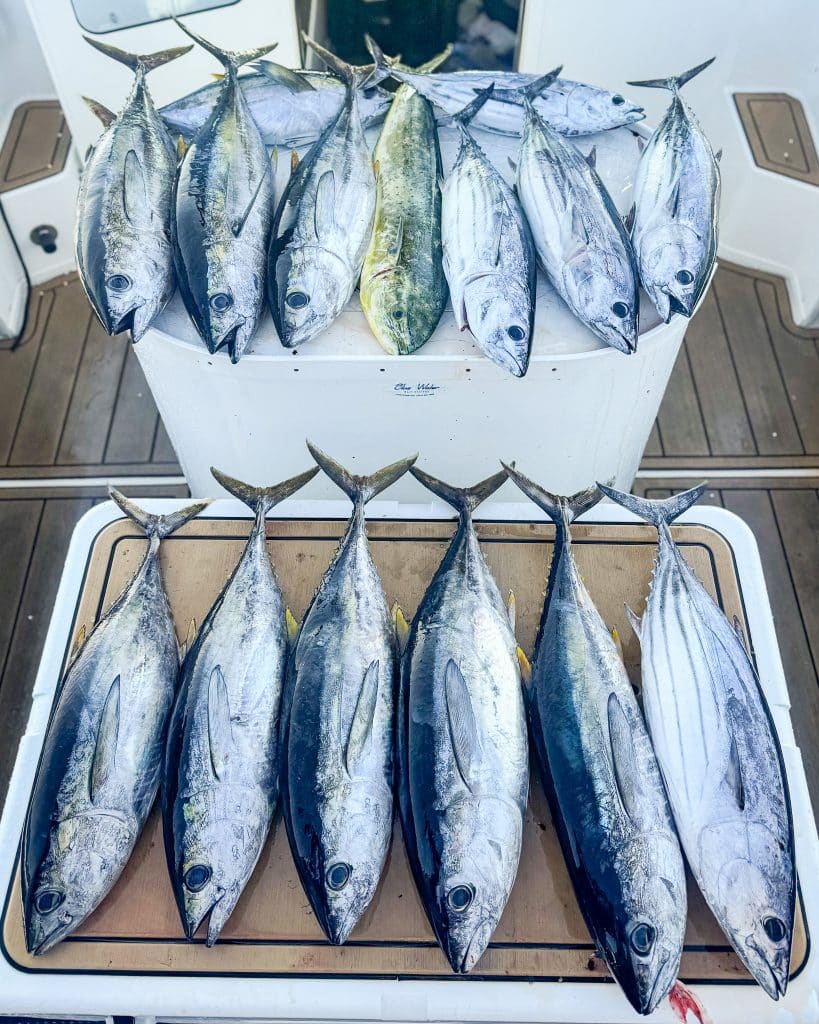
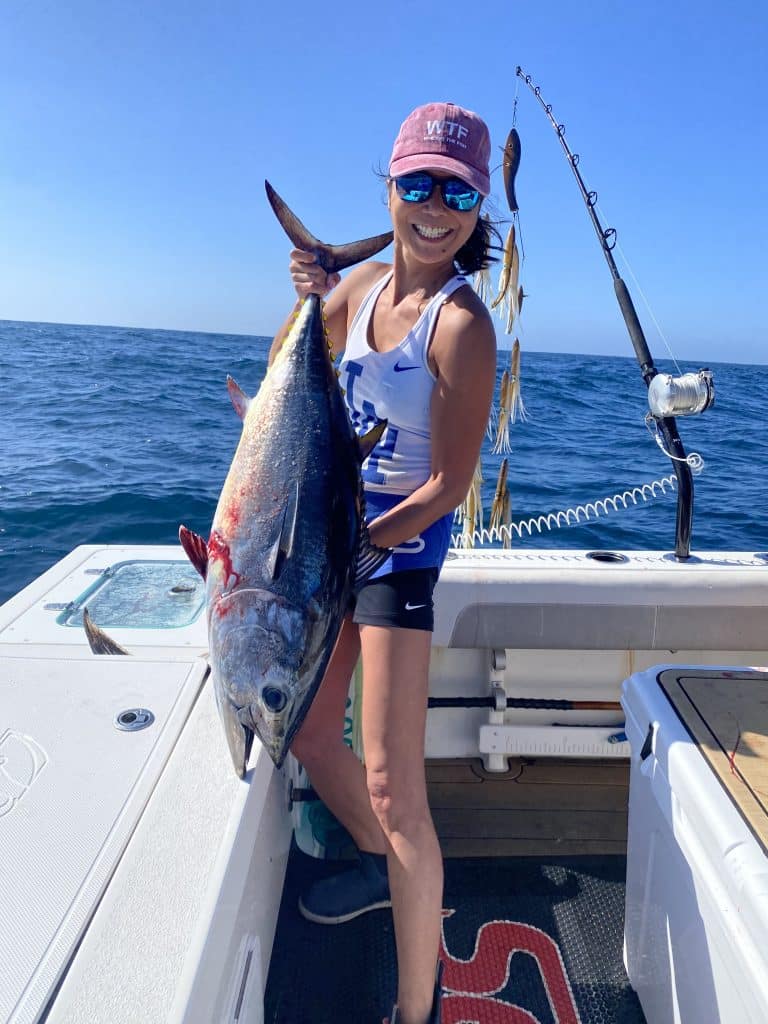
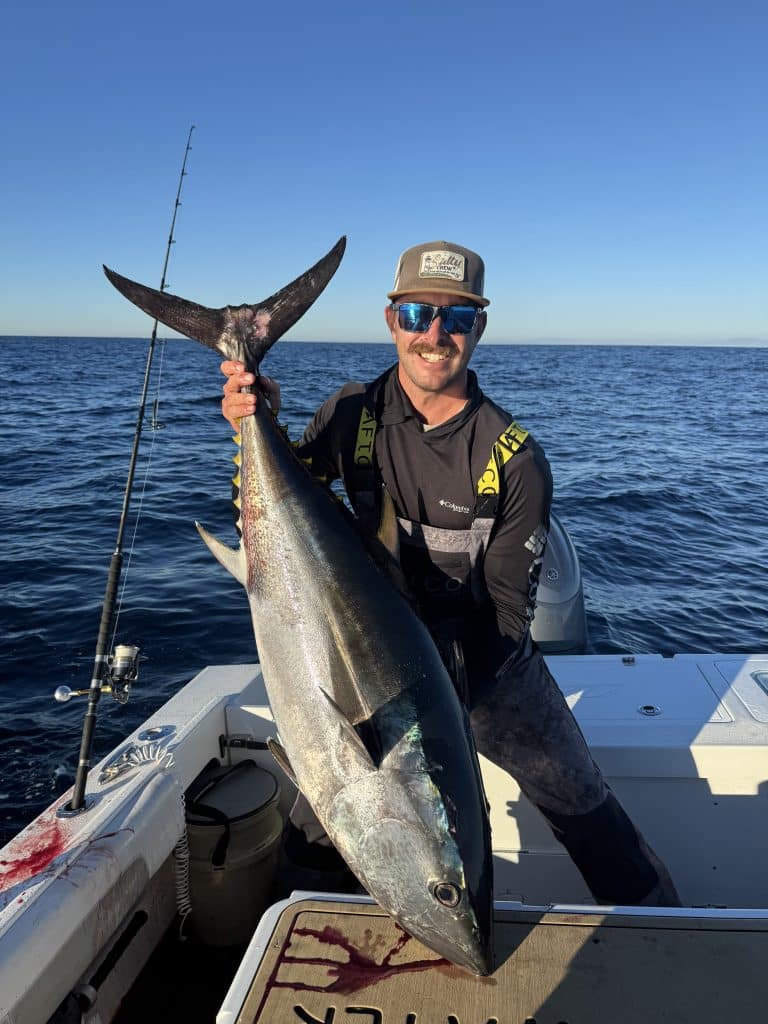
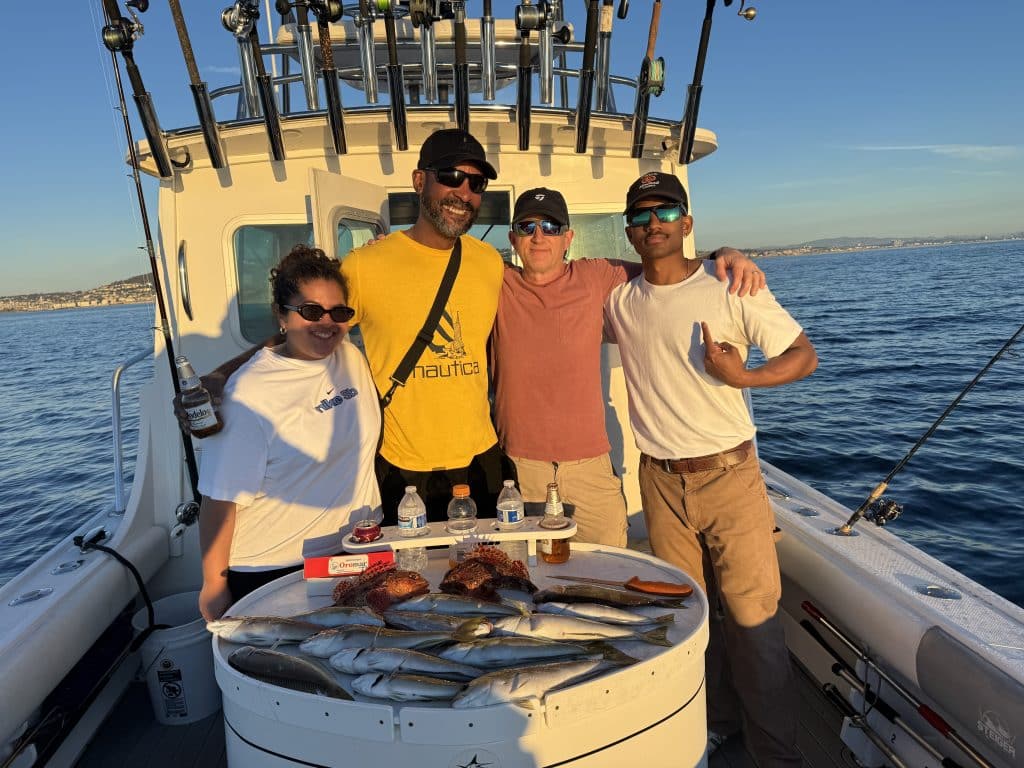
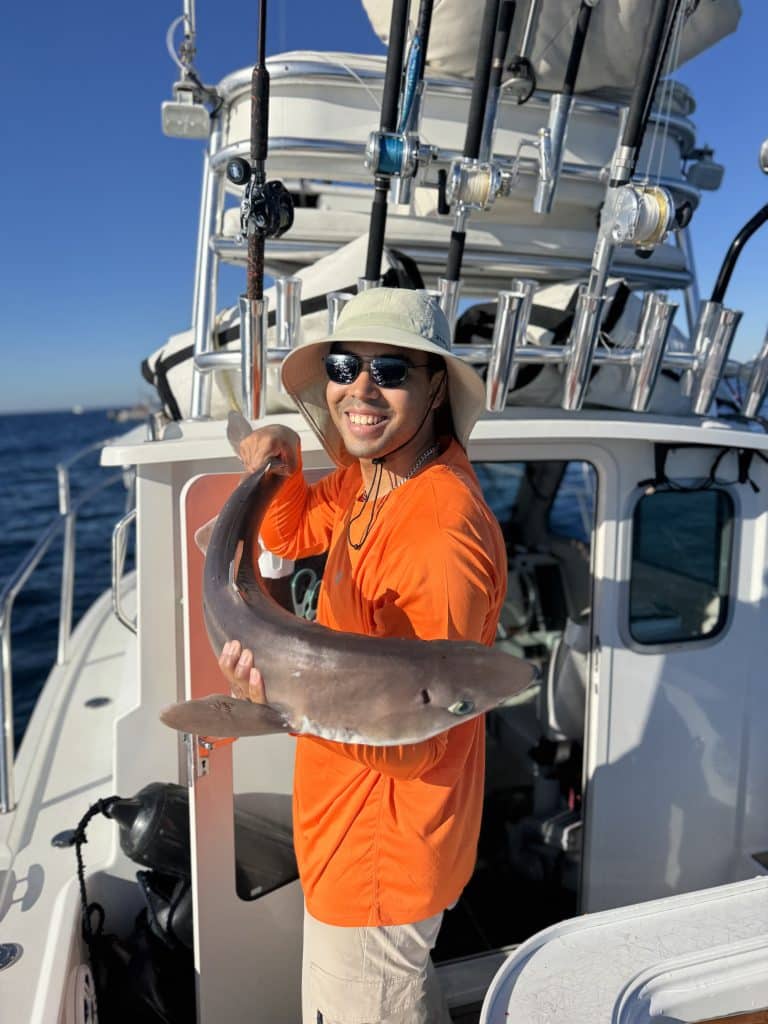
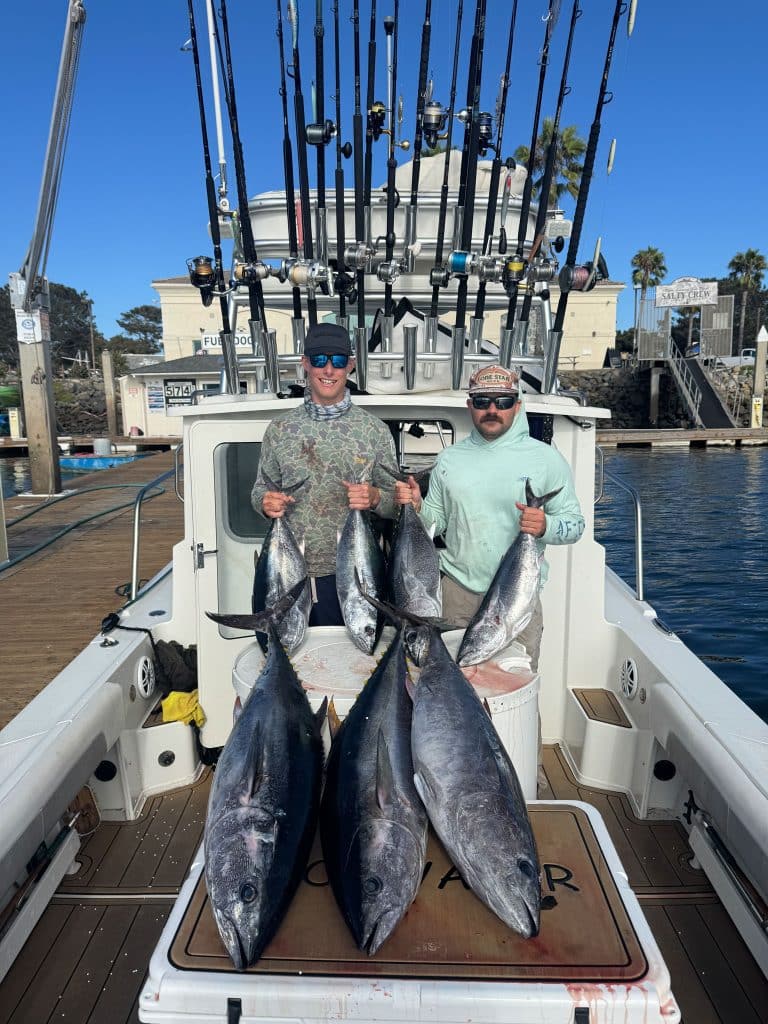
San Diego sits at the top of nearly every serious angler’s bucket list — and for good reason. With roughly 70 miles of coastline, kelp forests growing just a few hundred yards off the beach, productive banks within a short run, and deep offshore canyons that pull in tuna, dorado, and marlin, this is one of the most fish-rich stretches of water in North America. Add a mild, year-round climate, and you’ve got a destination where something is always biting.
But here’s the thing: not all trips on the water are created equal. Party boats have their place, yet they come with fixed schedules, crowded rails, and a one-size-fits-all game plan. That’s why so many anglers go looking for the best private fishing charters San Diego has to offer — exclusive boat access, a captain focused entirely on your group, and a trip built around your goals instead of someone else’s itinerary.
The challenge is knowing how to separate the professionals from the pretenders. Below, we’ll walk through what actually matters when you’re choosing a charter: credentials and safety, trip types and pricing, and the regulations every angler should understand before leaving the dock.
Credentials, Safety, and Why They Come First
Before you compare prices or look at fish photos, verify who you’re getting on a boat with. Legitimate operators have nothing to hide and will happily walk you through their paperwork.
What to look for:
- U.S. Coast Guard Captain’s License. Any captain carrying paying passengers needs either an OUPV (“six-pack”) license or a Master license, depending on vessel size and passenger count. Current CPR and first-aid certification should come standard.
- Proper vessel documentation and insurance. Ask about liability coverage — $300,000 is a common industry minimum — plus current safety gear: properly sized life jackets for every passenger, flares, fire extinguishers, and reliable emergency communication.
- California Department of Fish and Wildlife authorization. For-hire fishing operations need appropriate state-level credentials, and your captain should be fluent in species regulations, seasonal closures, and marine protected area boundaries.
- Real San Diego experience. Licensing is the floor, not the ceiling. The captains who consistently put clients on fish know the nearshore kelp at La Jolla and Point Loma, the 9-Mile and 14-Mile Banks, and how a shift in water temperature or swell direction changes everything.
- Transparent business practices. Written trip agreements, clear cancellation terms, and an operator who can explain their safety protocols without hesitation. Anyone demanding full payment weeks out with no written contract is a hard pass.
A quick phone call tells you a lot. Professional captains answer questions directly. Evasiveness is your signal to keep shopping.
Matching the Trip Type to Your Group
The best private fishing charters San Diego anglers book are the ones that fit the people actually on the boat. Here’s a realistic breakdown:
Nearshore kelp-forest trips (4–6 hours, within 10 miles)
Ideal for families, first-timers, and anyone worried about seasickness. You’ll target calico bass, sand bass, rockfish, and seasonal bonito in protected water around La Jolla, Point Loma, and the Coronado Islands, fishing 30–120 feet around kelp and structure. Calmer seas mean more time learning technique and less time hanging over the rail. Typical range: $600–$1,200 for four to six passengers, often with tackle, bait, and licenses included.
Half-day bottom fishing (6–8 hours, 10–25 miles)
Rockfish, lingcod, sculpin, and sheephead on local banks and deeper reefs in 150–400 feet of water. Great for groups who want steady action and excellent table fare. Expect your captain to explain species identification and current rockfish depth and seasonal rules. Typical range: $1,200–$2,000 for up to six anglers.
Full-day pelagic and tuna trips (10–14 hours, 25–60+ miles)
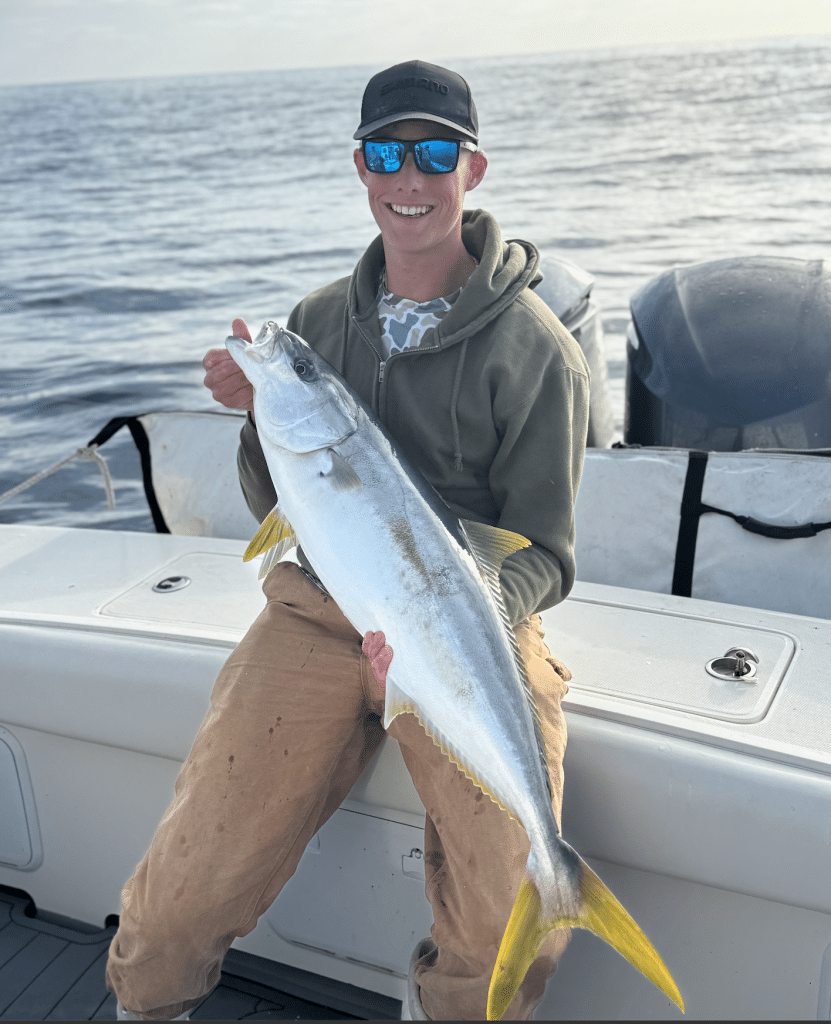
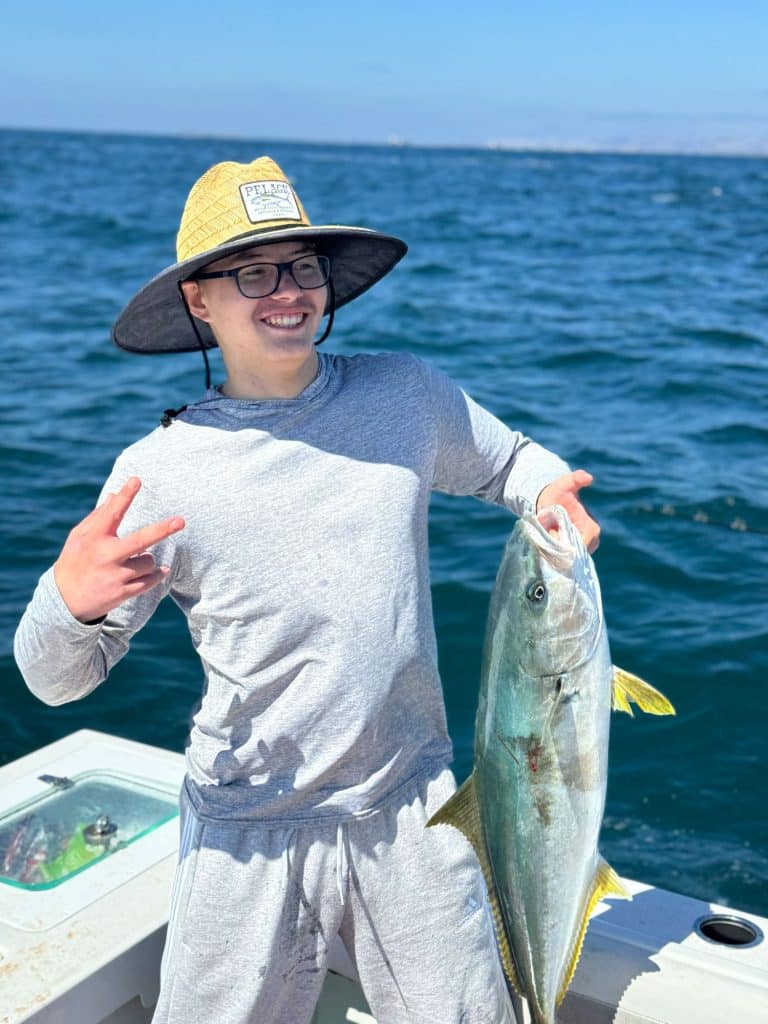
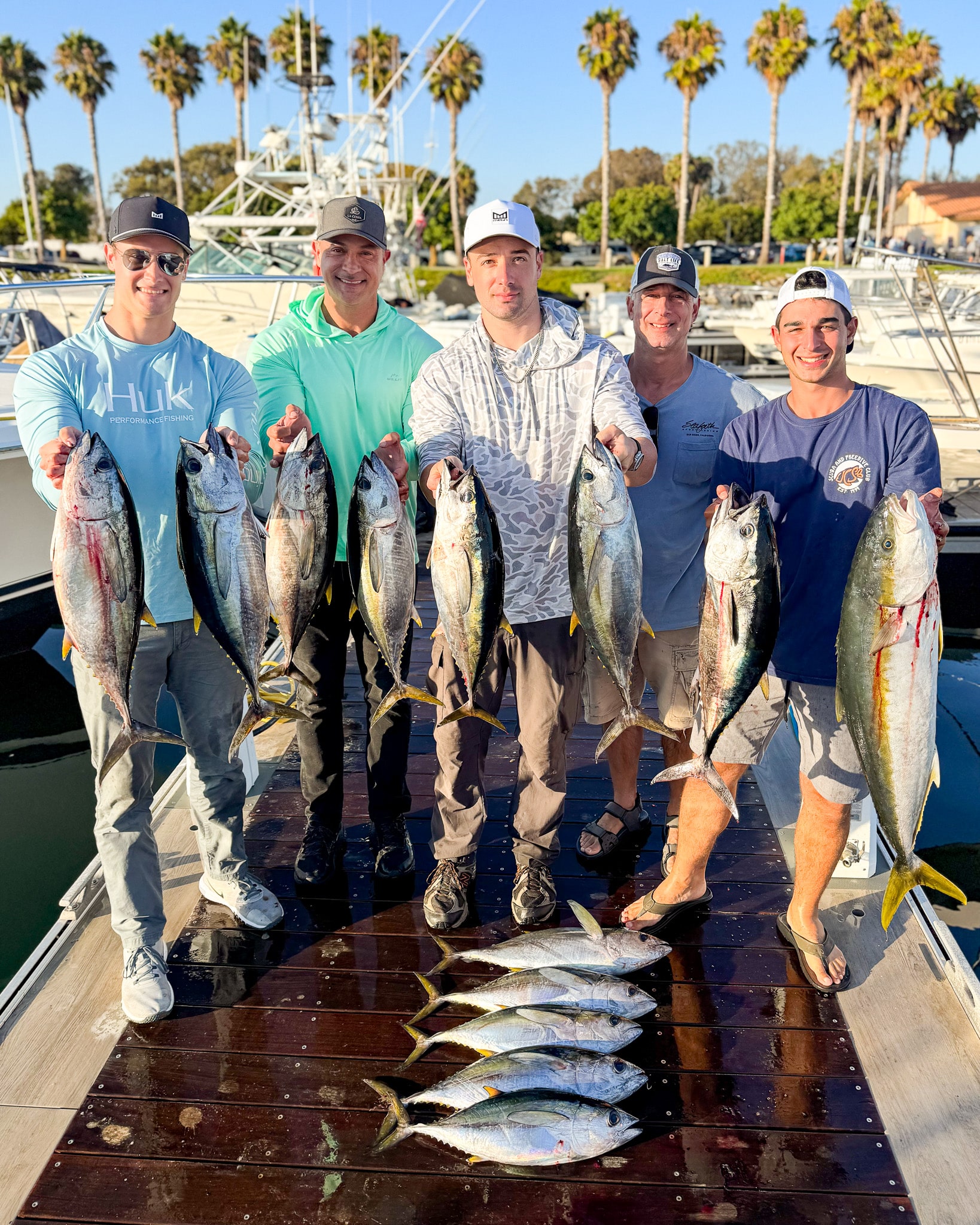
This is the main event for serious anglers — bluefin, yellowfin, dorado, and yellowtail around offshore banks, kelp paddies, and temperature breaks. Bring stamina and flexibility, because fish location shifts with water temperature and bait movement year to year. Leave before dawn, return after dark. Typical range: $2,000–$4,000 depending on fuel and distance.
Specialized and multi-day options
Fly fishing for surface-feeding tuna, ultra-light tackle challenges, catch-and-release conservation trips, or extended-range expeditions running 100+ miles to remote banks over two to five days. Multi-day trips are a significant investment ($8,000–$20,000+) but open access to less-pressured water and genuinely trophy-class fish.
A note on pricing transparency: always ask for an itemized breakdown. A $1,000 “base rate” that tacks on $400 in bait, tackle, fuel surcharges, and cleaning fees costs more than a $1,300 all-inclusive charter. Also clarify deposit amounts (usually 25–50%), weather rebooking policy, and gratuity expectations (15–20% is customary and almost never included in the quote). And be skeptical of “per-person” pricing on a supposedly private charter — that often means your party is being combined with strangers.
Licenses, Regulations, and Staying Legal
California takes its fishing rules seriously, and a good captain treats compliance as part of the service.
- Sport-fishing licenses are required for everyone 16 and older in ocean waters. Buy online through CDFW, at a tackle shop, or sometimes through your captain — but purchasing in advance is smarter. One-day, two-day, and annual options are available, priced by residency. Kids under 16 fish free but still must follow bag and size limits.
- Additional validations may apply depending on species and location. Your captain should tell you exactly what your trip requires.
- Size limits, bag limits, and closures vary widely. California halibut, for example, must be at least 22 inches with a three-fish daily limit, while rockfish rules shift by species and depth zone. Regulations change — verify current rules on the CDFW site before your trip.
- Marine Protected Areas dot San Diego’s coastline, and boundaries aren’t obvious from the water. Professional operators run GPS chart plotters with MPA overlays. Ask how your captain confirms boundaries.
- Fish handling and transport rules require certain species to remain identifiable until you reach your final destination or a registered processor. Confirm whether your charter cleans and fillets your catch, and plan cooler space and ice accordingly.
The Coast To Coast Sport Fishing Difference
At Coast To Coast Sport Fishing, we believe a great private charter starts long before you step aboard. That means a real pre-trip conversation about your group’s experience level, target species, and what’s realistically biting during your dates. It means well-maintained vessels, fresh line and terminal tackle, and electronics that actually find fish. And it means adapting on the water — switching from live bait to lures when the bite gets finicky, relocating when a spot goes quiet, and explaining why we’re making those calls so you walk away a better angler.
We also take sustainability seriously. Strict adherence to size and bag limits, careful release handling, and respect for marine protected areas protect the fishery that makes San Diego special in the first place.
Final Thoughts
Finding the best private fishing charters San Diego has to offer comes down to doing a little homework. Verify credentials. Interview two or three captains. Get your pricing itemized and your agreement in writing. Match the trip type to the people actually coming along. And make sure everyone 16 and up has a license before departure day.
Fishing will always have an element of uncertainty — that’s the nature of it. But the right captain, the right boat, and realistic expectations turn an ordinary day on the water into one your group talks about for years.
Ready to plan your trip? Reach out to Coast To Coast Sport Fishing and let’s build a charter around what you want to catch.
References
- California Department of Fish and Wildlife – Sport Fishing Licenses: https://wildlife.ca.gov/Licensing/Fishing
- California Department of Fish and Wildlife – Ocean Sport Fishing Regulations Map: https://wildlife.ca.gov/Fishing/Ocean/Regulations/Fishing-Map
- California Department of Fish and Wildlife – Commercial Fishing Licensing: https://wildlife.ca.gov/Licensing/Commercial-Fishing
- California Department of Fish and Wildlife – Marine Protected Areas: https://wildlife.ca.gov/Conservation/Marine/MPAs
- NOAA Fisheries – Recreational Fishing: https://www.fisheries.noaa.gov/topic/recreational-fishing
- U.S. Coast Guard – Passenger Vessel Compliance: https://www.dco.uscg.mil/Our-Organization/Assistant-Commandant-for-Prevention-Policy-CG-5P/Inspections-Compliance-CG-5PC/Commercial-Vessel-Compliance/Passenger-Vessels/
- California Ocean Protection Council: https://www.opc.ca.gov/